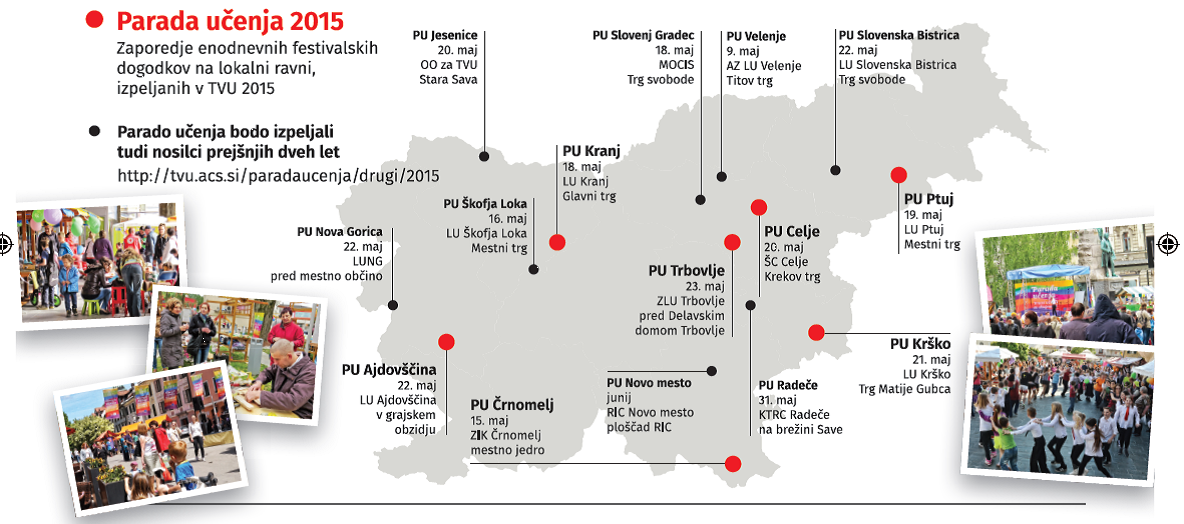
Since its inception in November 2012, the EAAL project has evolved through several phases, with its core focus redefined every few years. In its initial phase (2013–2015), the emphasis lay in developing the concept and launching the Learning Parade – Day of learning communities. By 2016, this initiative had secured funding from the state budget and became an integral part of the LLW.
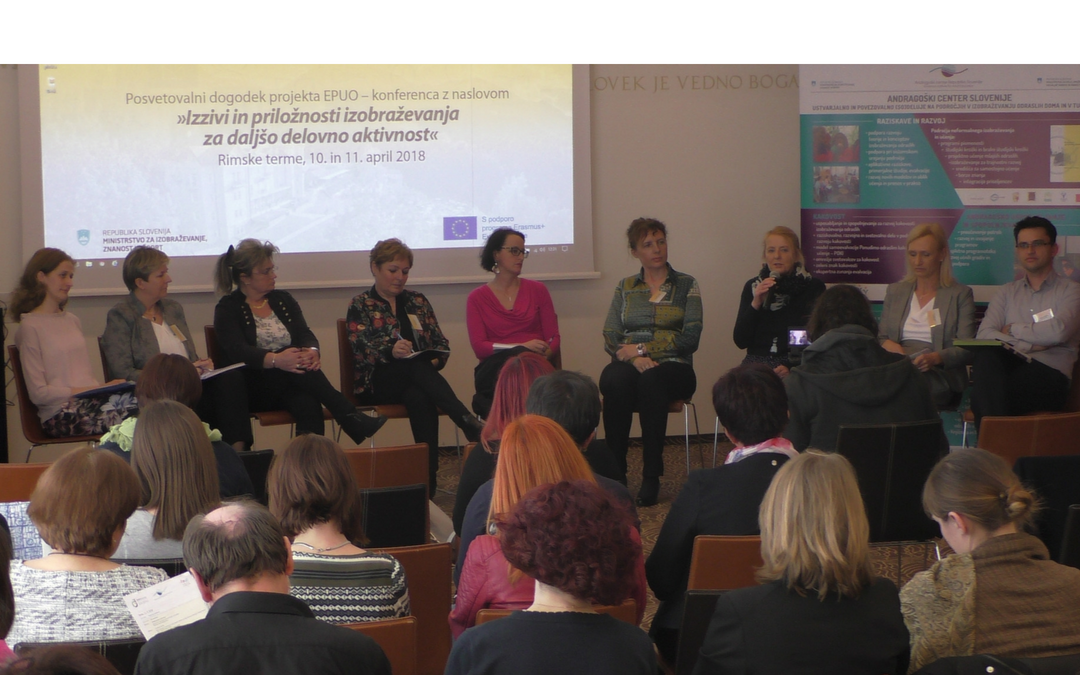
Concurrently (in 2015, 2016 and 2017), we were developing EAAL professional events at the local level, initially adapting them to the specific needs of each community. Over time, the content of these events became more aligned, and the focus gradually shifted towards promoting the development of adults’ basic skills and key competences. During the EAAL consultative events (in 2018 and 2019), we turned our attention to pressing professional issues of the time, including the development of the new Adult Education Master Plan.
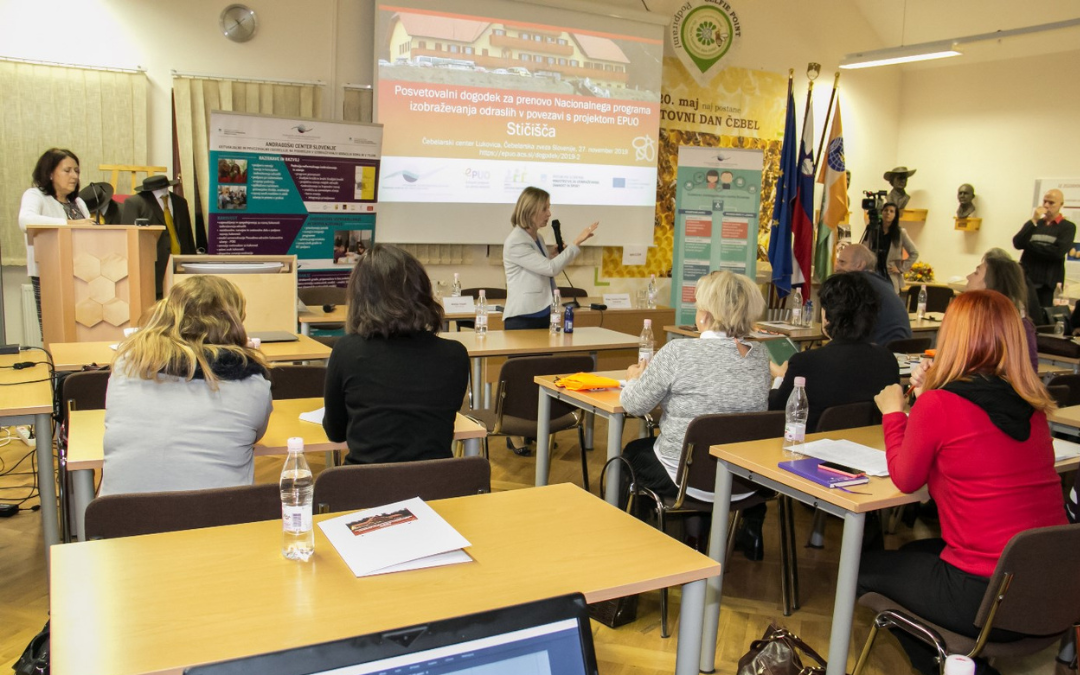
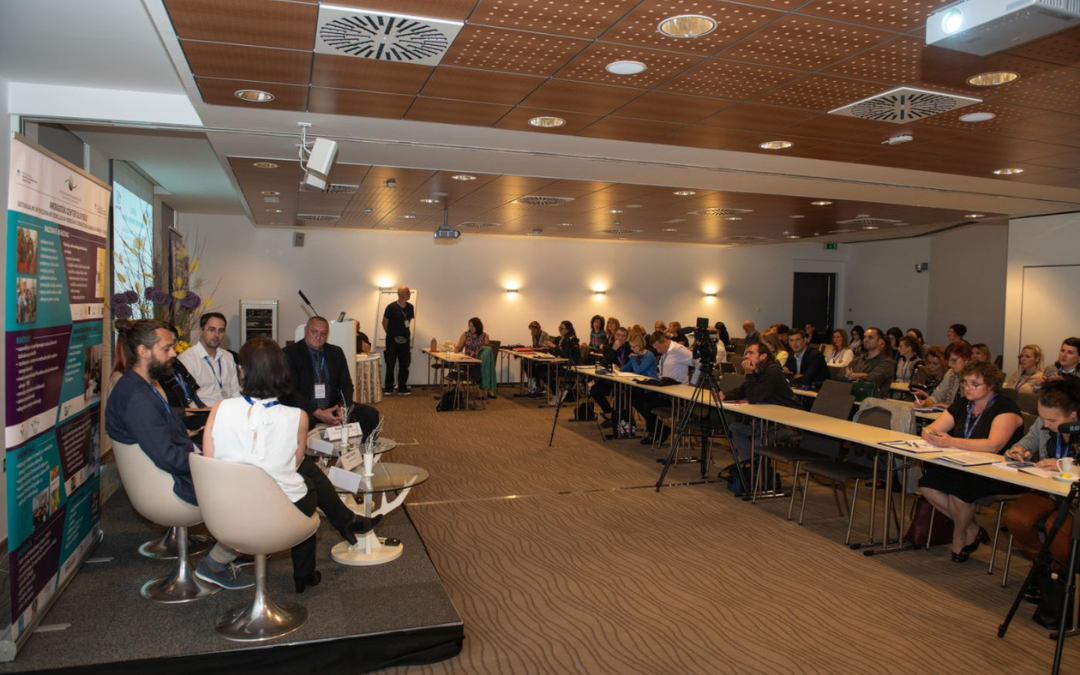
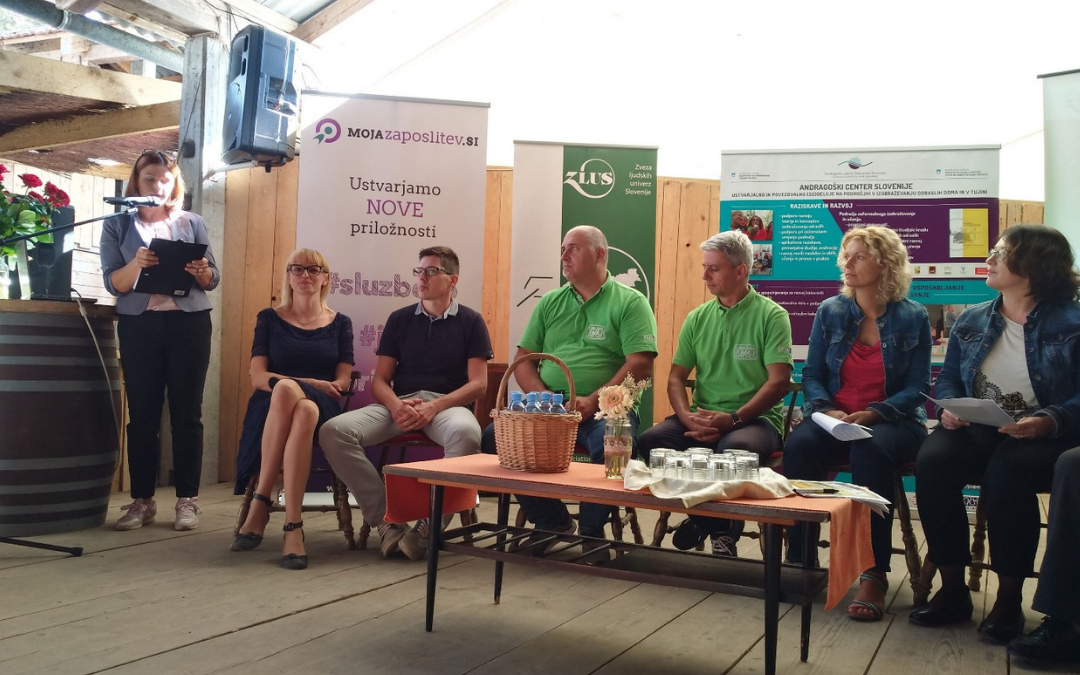
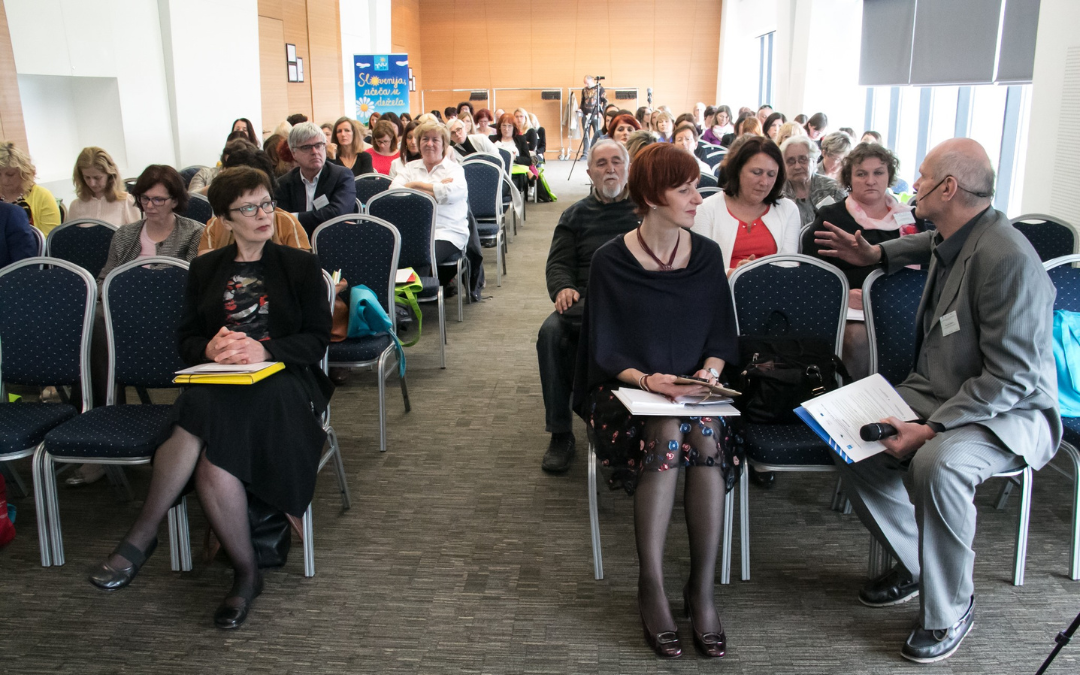
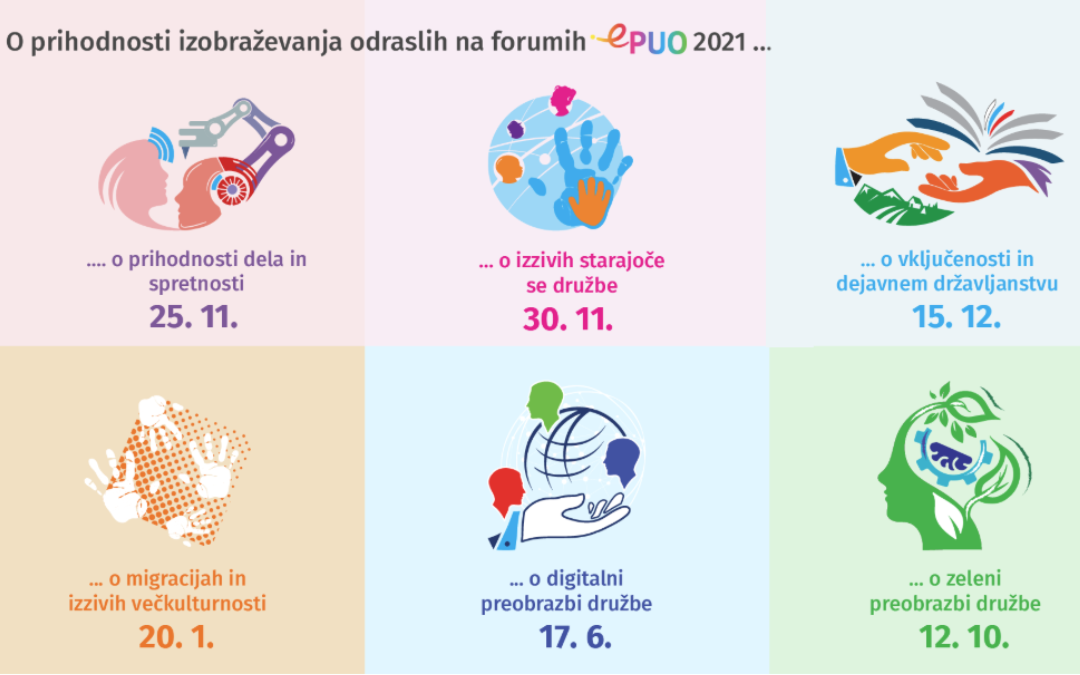
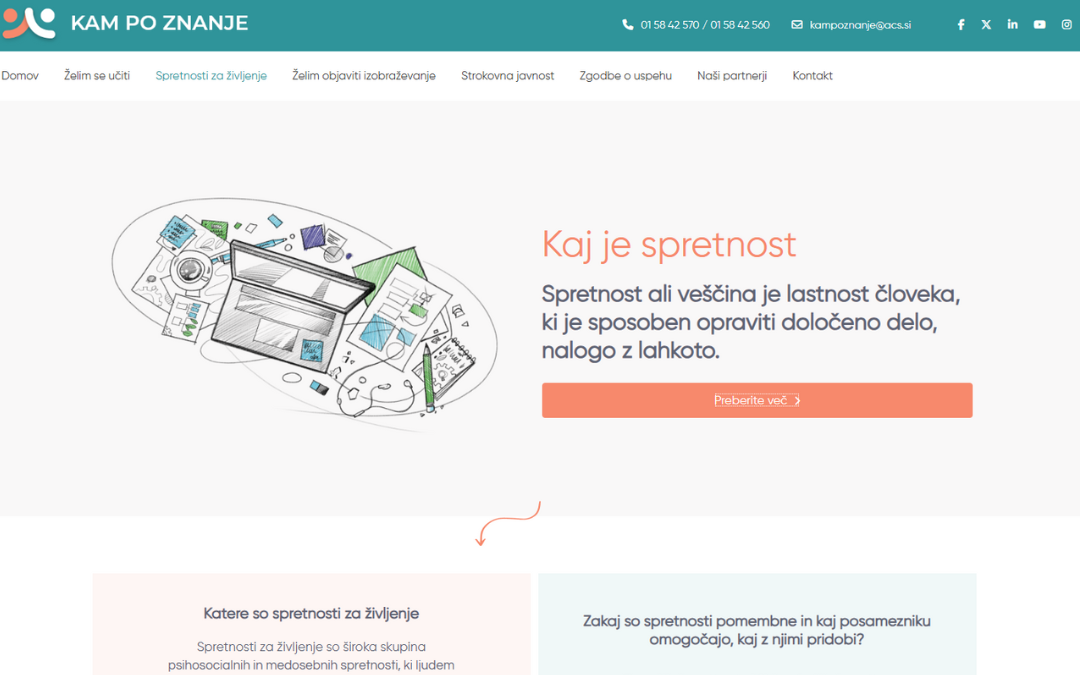
This phase was followed by the EAAL forums. In 2021, these were aligned with six pressing socio-economic challenges, while during 2022–2023, the focus shifted to eight categories of life skills. A dedicated thematic subpage (in Slovenian) was created on the Where to Get Knowledge platform to support these themes and present educational offer for each type of skills.
These core areas were further reinforced by a range of ongoing EAAL activities, including the e-bulletin, video publications, the Upskilling Pathways (UP) e-portal and various dissemination efforts (through the SIAE bulletin e-Novičke, EPALE, the SIAE website and its social media channels). We also participated in numerous international events and organised several study visits.
The story of the first decade of EAAL implementation is captured in a video released in 2021, the year in which a new EAAL cycle was launched under the Slovenian Presidency of the Council of the EU. The project’s rich array of activities and accomplishments is documented on the EAAL website, which we update in both Slovenian and English. Recordings of the events referred to are also available there.
During the 2024–2025 period, two themes emerged as central: skills and innovative learning environments
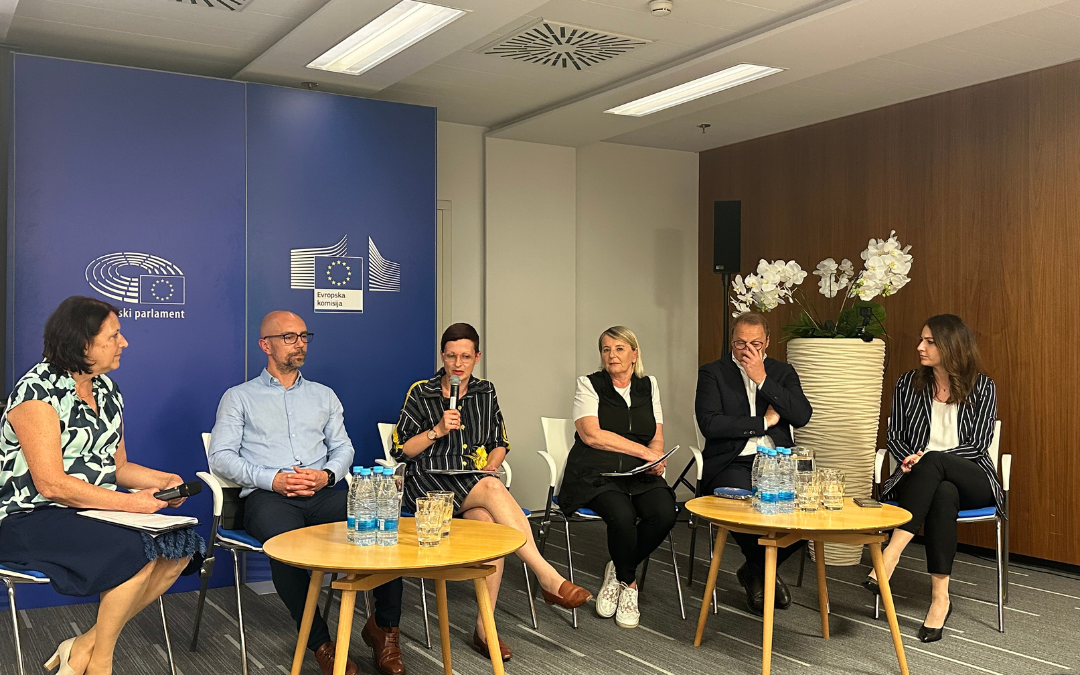
The European Year of Skills (EYS), initiated by the European Commission, ran from 9 May 2023 to 8 May 2024. The SIAE assumed the role of National Coordinator for the EYS and launched a dedicated website to support this initiative. In this capacity, we acted as both a connector and facilitator at national and European levels. These responsibilities were largely carried out within the framework of the EAAL project and were also reflected in LLW 2023, where the Slovenian opening of the EYS was held during the 27th Adult Education Colloquium.
We organised two forums dedicated solely to the topic of skills, advocating a holistic and inclusive approach. During the Belgian Presidency of the Council of the EU, we also contributed to the development of the joint statement on the EYS (Beyond the European Year of Skills: Maintaining the Momentum).
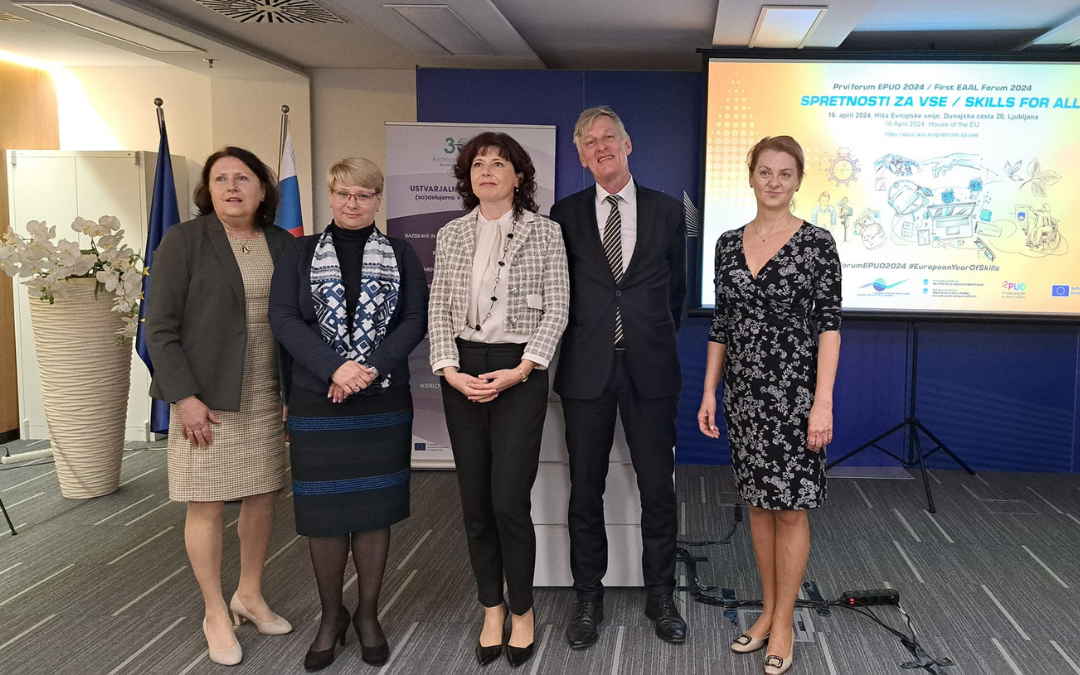
The First EAAL Forum of the 2024–2025 period, titled Skills for All, marked the closing phase of the European Year of Skills. Held on 16 April 2024 at the House of the EU in Ljubljana and streamed online, the event featured expert contributions on a range of topics, including the PIAAC survey, labour-market needs forecasting and the presentation of the Labour Market Platform. The impactful Awareness-Raising for Lifelong Learning campaign was also showcased. In the closing panel, Skills in Synergy (in Slovenian), four participants reflected on the skill they considered their strongest, exploring both why and how they had developed it. Their reflections underscored the interdependence of skills and how this interplay is manifested in both their personal and professional lives. An article on the event was published under the title The First EAAL Forum 2024 Impressed All.
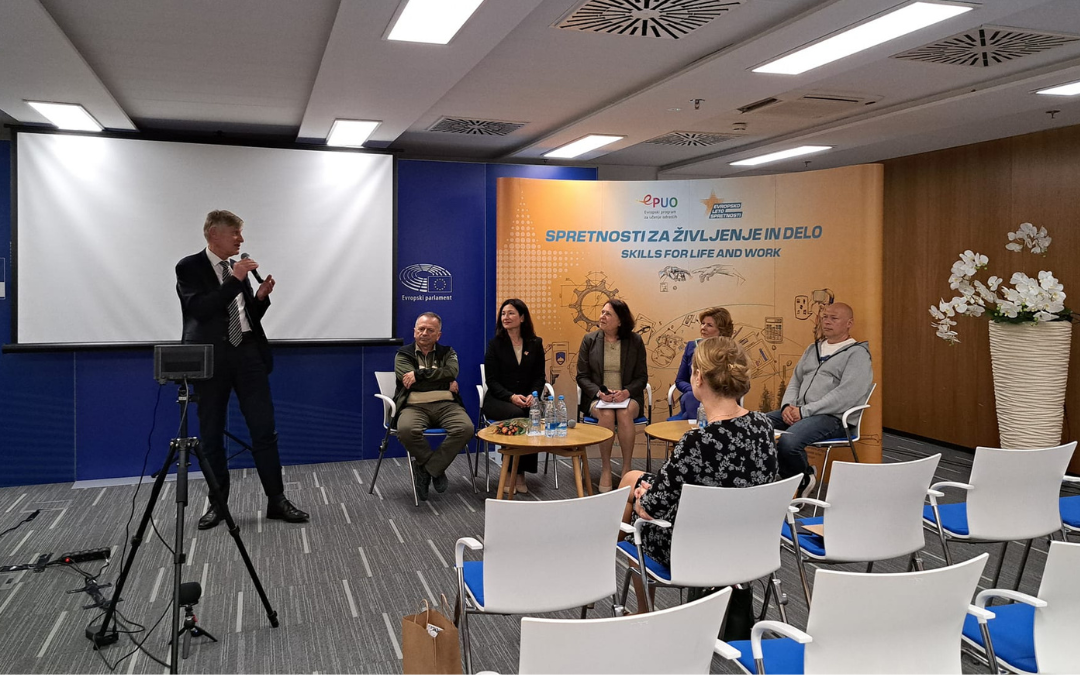
The Second EAAL Forum 2024–2025 took place on 26 February 2025 at the SIAE and online. Under the title Skills for the Future – Dialogues for Synergy, leading experts examined the relationship among technical skills, soft skills and adaptability, all shaped by the rapid transformation of the labour market and ongoing technological advancement. The forum also considered how to preserve and reinforce the human core while acting in a sustainable way. Through expert dialogue, the EAAL forum highlighted the value of lifelong learning and the synergies across various fields. Its conclusion pointed to intuition as one of the key skills for the future. A related article was published under the same title: Skills for the Future – Dialogues for Synergy.
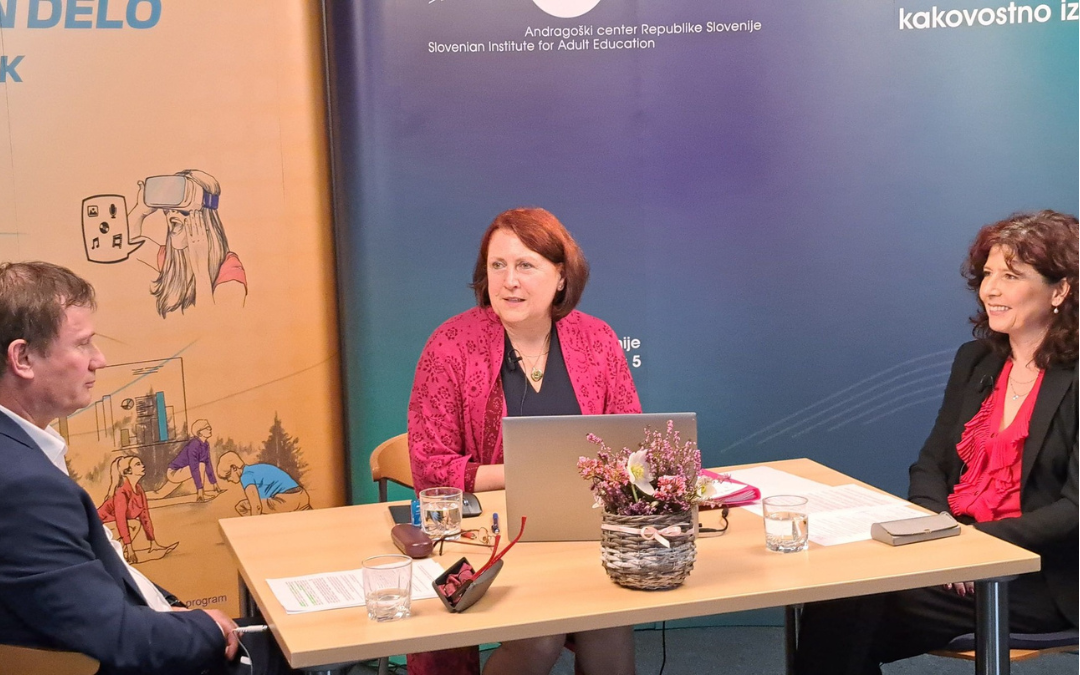
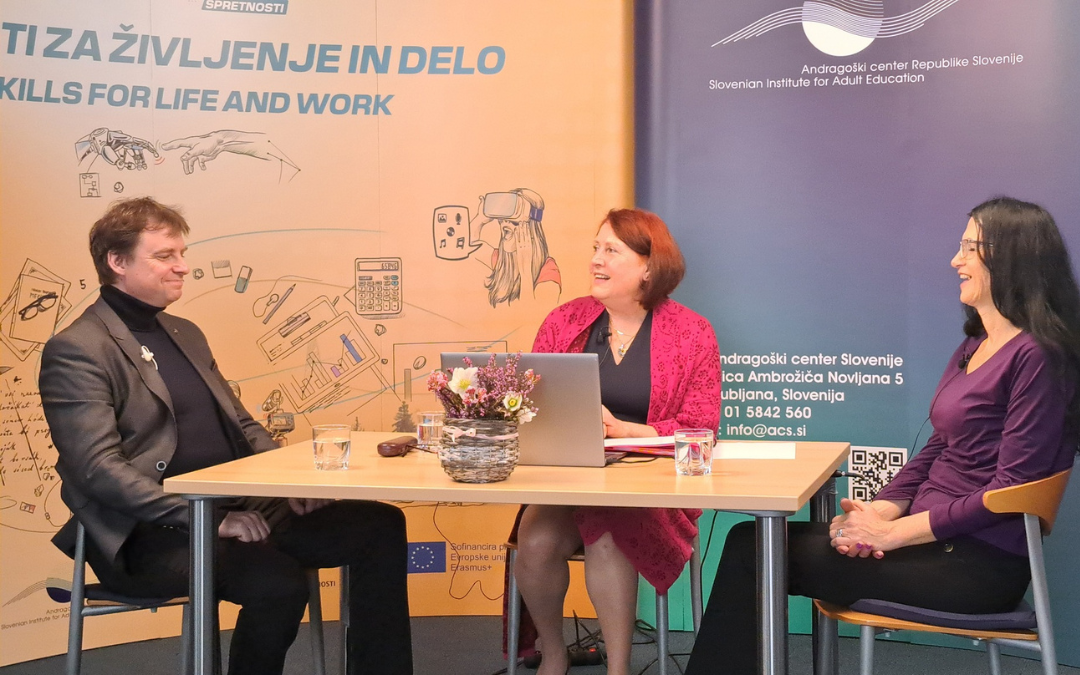
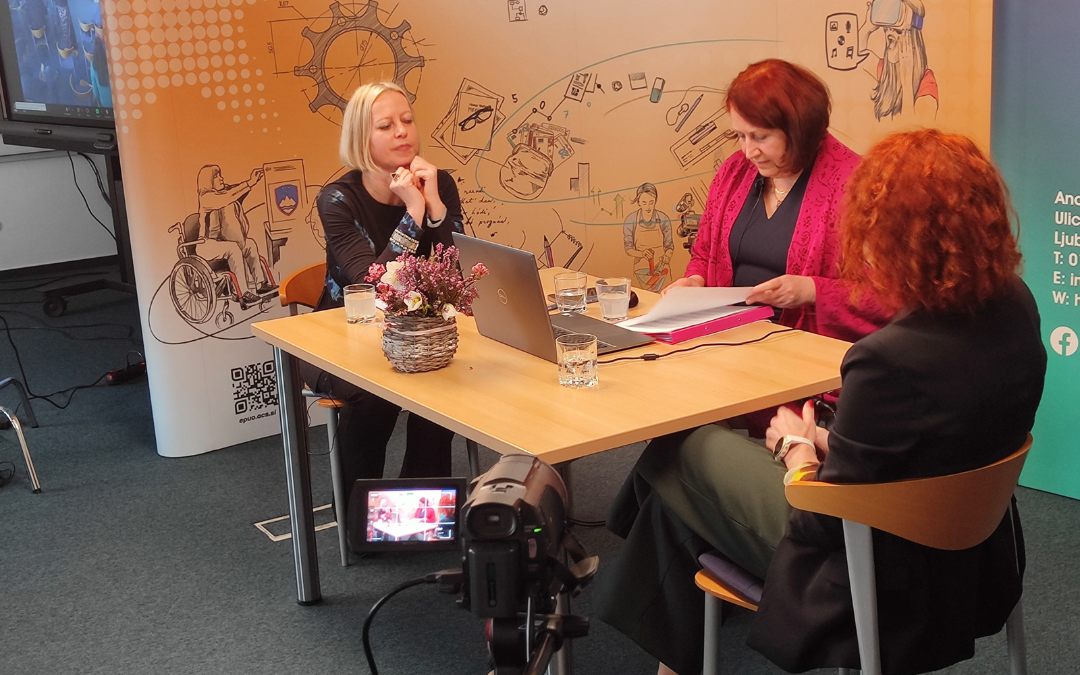
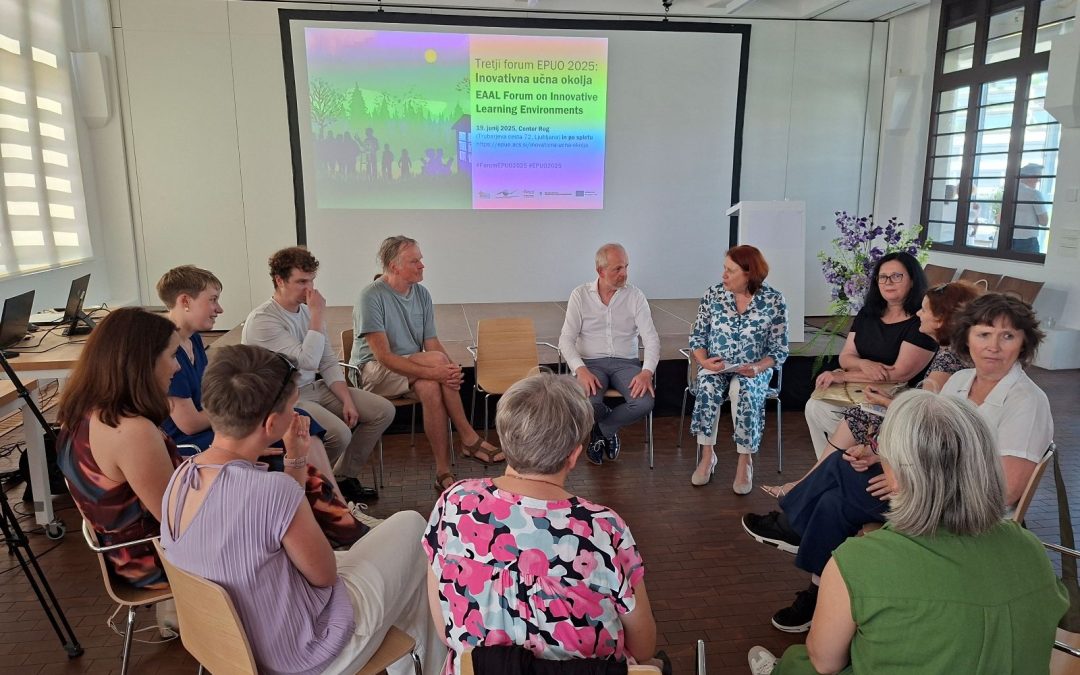
The Third EAAL Forum 2024–2025 was held on 19 June 2025 at the Centre Rog in Ljubljana and unfolded on two levels. It was originally intended to present the final European report on the EYS. However, due to a significant delay, the document – Report on the implementation, results and overall assessment of the European Year of Skills – was not published until October. As a result, the forum agenda was adjusted. Instead of the planned presentation, a representative of the European Commission delivered a lecture on the Union of Skills initiative, the successor to the EYS, and reflected on the Commission’s broad set of new measures.
Innovative learning environments took centre stage at the Third EAAL Forum
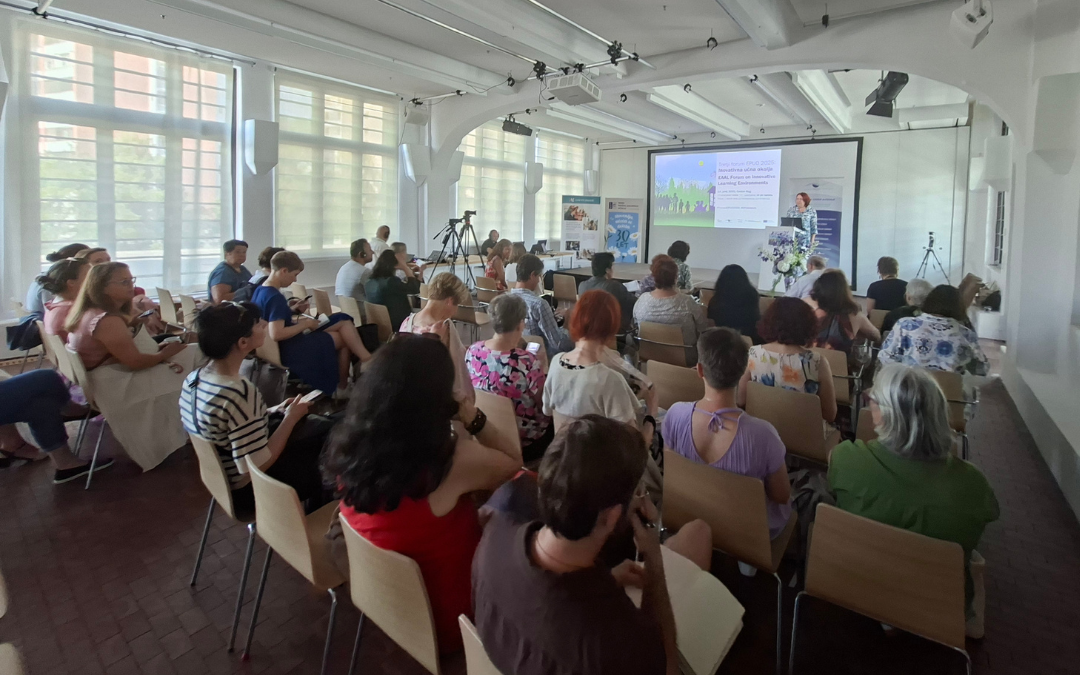
In the company of nine international guests from seven European countries – Belgium, Czechia, Estonia, Greece, Latvia, Germany and Slovakia – we explored a range of inspiring examples of innovative learning environments from adult education practice, both in Slovenia and abroad. Our guiding premise was that such environments foster active and collaborative learning, tailored to the needs and interests of the individual.
The keynote speaker, Dr Pieter Sprangers – a renowned educational futurist and learning designer from Belgium – opened the forum by highlighting enthusiasm as the catalyst for learning. He advocated strongly for the value of innovative learning environments and practices, including the concept of nomadic learning. More about the forum can be found in the article EAAL Forum on Innovative Learning Environments Highlights a Pressing Theme.
To support this central focus of the 2024–2025 EAAL project, we developed a dedicated subpage titled Innovative Learning Environments. It features twelve interviews with the designers, facilitators and participants of such environments. The videos present ideas that inspire, occasionally surprise, and above all invite reflection on what becomes possible when learning takes a different path. Many additional examples of innovative learning environments, recorded and presented at EAAL forums between 2021 and 2024, are also available
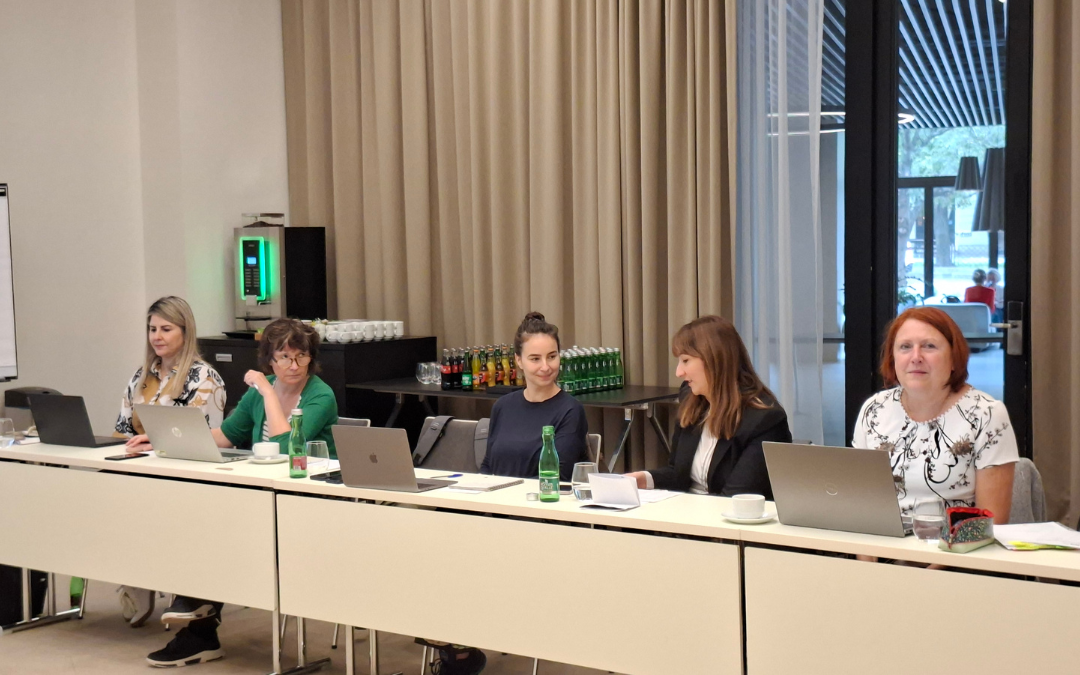
Mutual learning about alternative learning environments bore fruit
At the European level, national coordinators from fourteen countries – Belgium (Flanders), Cyprus, Czechia, Estonia, Germany, Hungary, Ireland, Iceland, Latvia, the Netherlands, Slovakia, Slovenia, Sweden and Turkey – engaged in a Peer Learning Activity, a two-year process within the EAAL project designed to foster mutual learning. Over the course of this initiative, we held eight online meetings and three in-person gatherings. In addition to the Slovenian one, we explored examples of innovative learning environments during study visits to Hungary in September 2024 and to Slovakia in October 2025.
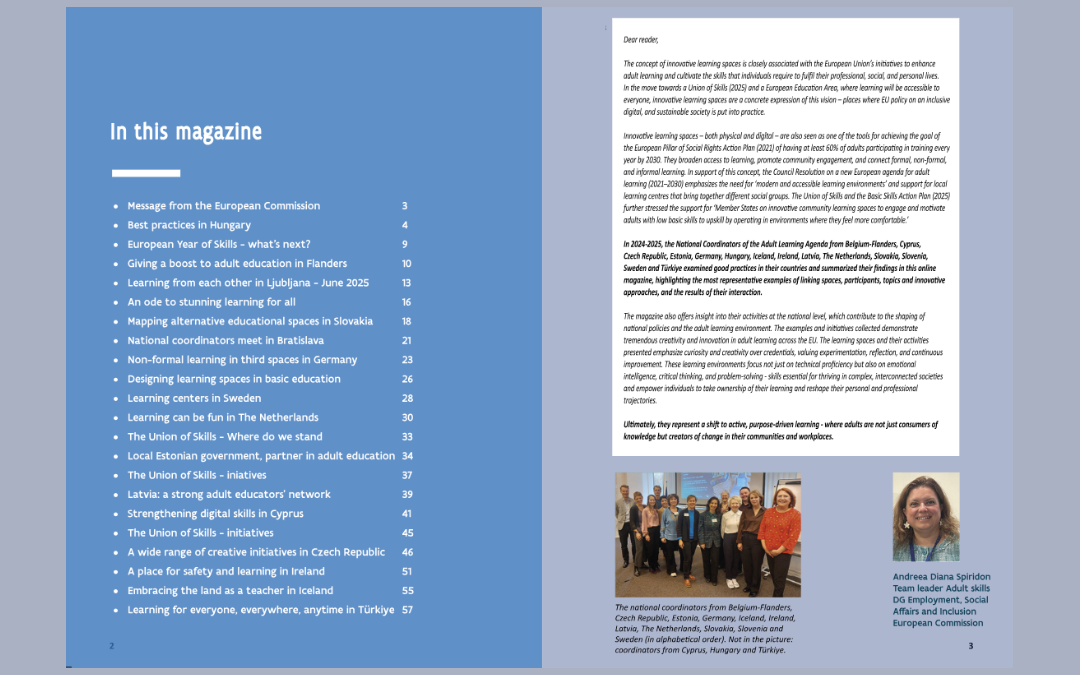
The outcomes of this collaboration culminated in an online publication titled Innovative Learning Environments, edited with great enthusiasm by the Flemish EAAL coordinator Karine Nicolay, who also shared her reflections on the process in a blog post on EPALE.
The examples and initiatives collected demonstrate tremendous creativity and innovation in adult education across the EU. The learning spaces and their activities presented emphasise curiosity and creativity over credentials, valuing experimentation, reflection and continuous improvement. These learning environments focus not just on technical proficiency but also on emotional intelligence, critical thinking and problem-solving – skills essential for thriving in complex, interconnected societies – and empower individuals to take ownership of their education and reshape their personal and professional trajectories.
Alongside a collection of innovative approaches from all participating countries, the publication also presents measures adopted at the European level. It includes a summary of the expert contribution delivered by Dr Pieter Sprangers at the Third EAAL Forum. The publication stands as a clear example of dedicated international cooperation, driven by a shared and meaningful purpose.
A final report on EAAL 2024–2025 is currently in preparation, bringing together all the insights and outcomes outlined above. At the same time, preparations for the eighth phase of EAAL implementation have already started, which, during the 2026–2027 period, will once again introduce a wealth of inspiring and impactful initiatives to the adult education community.
Zvonka Pangerc Pahernik, MSc (zvonka.pangerc@acs.si), edited by Ana Peklenik (ana.peklenik@acs.si), both ACS